Psychopathy Test Accuracy: What Self-Assessment Can Tell You
People often ask whether an online psychopathy test is accurate. The question usually appears after a score feels higher, lower, or more confusing than expected. A self-assessment can be useful, but only if accuracy is understood in the right way.
For a site like this, accuracy does not mean a single score can confirm who someone is. It means the questions may help an adult notice patterns in emotional detachment, empathy, impulsivity, or interpersonal style that are worth thinking about more carefully.
That is why the safest way to use the adult self-assessment tool is as a starting point for reflection. It can organize traits into a clearer snapshot, but it cannot replace a full mental health evaluation.
Disclaimer: The information and assessments provided are for educational purposes only and should not replace professional medical advice, diagnosis, or treatment.

Why people question psychopathy test accuracy
Most readers are not asking for a statistics lesson. They are asking a more personal question: "Should I trust this result?" Sometimes the concern comes after a higher score than expected. Sometimes it appears when the questions seem too broad or when the result does not match how someone sees their daily life.
Accuracy matters because the topic itself carries heavy labels. A score can feel emotionally loaded even when the site is careful to talk about traits rather than diagnosis. That is also why a calm explanation is more helpful than a dramatic one.
A responsible answer begins with purpose. An online self-assessment is built to highlight patterns, not to settle a clinical question. Once that purpose is clear, the rest of the article becomes easier to understand.
What psychopathy test accuracy means in self-assessment
When people hear the word accuracy, they often imagine a test that produces a final yes-or-no answer. That is not how this kind of tool should be used.
Screening, traits, and diagnosis are not the same
A screening result is not the same thing as a diagnosis. It can suggest that certain traits deserve closer attention, but it cannot determine whether a person meets a formal clinical standard. A peer-reviewed NCBI review notes that psychopathy is not included in current psychiatric diagnostic systems, which is one reason casual labeling creates so much confusion.
This distinction matters even more because psychopathy is often discussed alongside antisocial personality disorder, or ASPD, as if the two terms were interchangeable. They are not. Trait-based language tries to describe patterns such as low empathy, shallow affect, or impulsive behavior. Diagnostic language applies a formal clinical framework with broader context, history, and professional judgment.
For that reason, the psychopathy self-assessment page is best used to explore patterns in your own answers if you are 18 or older. It is not designed to declare that someone is, or is not, a psychopath.
Why clinician tools and online tests serve different jobs
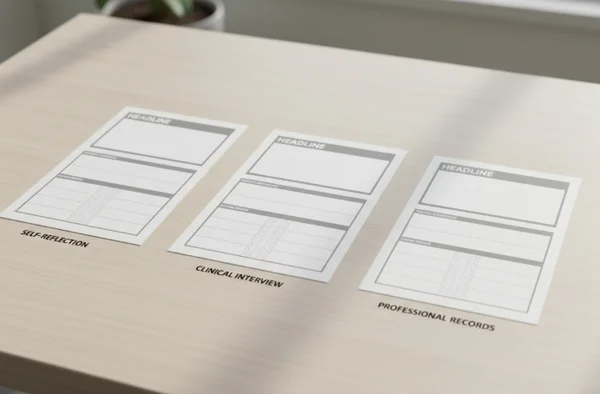
One of the clearest ways to understand psychopathy test accuracy is to compare the jobs different tools are built to do. The Psychopathy Checklist-Revised, or PCL-R, is a 20-item assessment measure. It requires a semi-structured interview and review of archival records rather than a quick self-report form. The NCBI Bookshelf summary also notes that the interview portion alone can take 90-120 minutes. See the [NCBI overview of the PCL-R].
That does not mean an online tool is useless. It means the tool is doing something narrower. A self-assessment can ask how often certain attitudes or behaviors feel familiar. It cannot verify collateral history, compare answers against clinical records, or judge whether a response pattern reflects stress, defensiveness, insight, or a long-term personality style.
In other words, a self-test can be informative without being definitive. That is a healthier standard for accuracy.
What can make an online psychopathy test feel inaccurate
Even a thoughtful questionnaire can feel off if the conditions around the test are off. That does not always mean the result is meaningless. It may mean the result needs context.
Self-report bias, mood, and question interpretation
Self-report tools depend on honesty, self-awareness, and stable interpretation of the questions. If someone answers based on a recent conflict, a defensive mood, or a wish to see themselves a certain way, the result can drift. A PubMed-indexed study on self-report personality tests found that faking is a common problem and that more high-stakes situations were associated with more faking. See the [PubMed summary on faking in self-report tests].
Most people using this site are not in a high-stakes forensic setting. Even so, the basic lesson still applies: answers are shaped by context. A reader who takes the test after a breakup may respond differently than the same reader would after a calm month. Someone who is unsure how to interpret empathy-related questions may also answer inconsistently.
That is why repeated patterns matter more than a single emotional moment. If a result feels surprising, it can help to slow down, reread the item logic, and ask whether the answers reflect a stable pattern or a temporary reaction.
Why the test should not be used on someone else
This is one of the most important limits on psychopathy test accuracy. The site is built for adult self-assessment, not for diagnosing a partner, coworker, family member, or ex. Once a person starts answering for someone else, the result becomes a mix of observation, frustration, fear, memory, and guesswork.
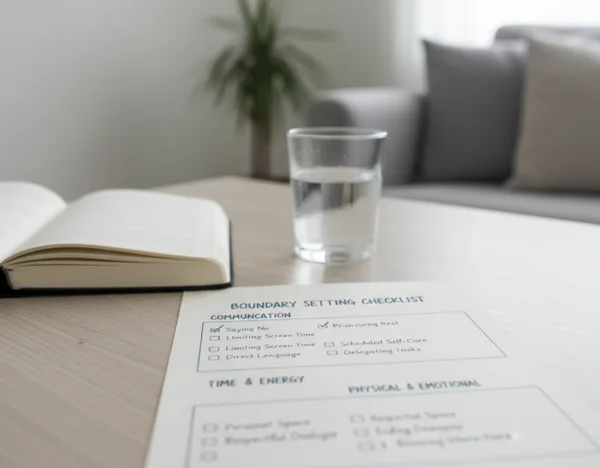
That approach also increases the risk of turning a complex pattern into a label. In difficult relationships, people often want quick certainty. What usually helps more is documenting behaviors, setting boundaries, and deciding whether professional support is needed for safety, stress, or conflict.
If another person's behavior feels manipulative, threatening, or persistently harmful, the better next step is not to score them from the outside. The better next step is to focus on what you are experiencing and what support you may need.
How to use a psychopathy test result responsibly
A careful result can still be useful. The goal is to use it as a prompt for better questions, not as a final verdict.
What a high or mixed score can help you notice
A higher or mixed score may help an adult notice patterns that deserve reflection. For example, the result may point toward repeated emotional distance, low guilt after conflict, difficulty reading other people's feelings, or impulsive behavior under stress. That does not prove a diagnosis. It does suggest a theme that may be worth exploring in a more grounded way.
One practical use of the online trait screening tool is to turn a vague concern into a clearer observation. A reader might move from "something feels off" to a more specific pattern. For example, they may notice that they dismiss other people's emotional reactions or make risky choices without thinking ahead. That kind of clarity can support journaling, therapy conversations, or more careful self-monitoring.
The value is in the pattern description, not the label. That keeps the result aligned with the site's educational purpose.
When a licensed mental health professional is the better next step
If the result brings persistent distress, relationship safety concerns, or confusion that keeps growing, it may be time to talk to a mental health professional instead of retaking the test again and again. NIMH says people who are struggling emotionally or have concerns about their mental health can talk with a primary care provider, who can perform an initial mental health screening and refer them to a mental health professional. NIMH also says that people in emotional distress or suicidal crisis can call or text 988 for immediate support. See [NIMH help for mental health concerns].
Offline support is especially important if there are urges to harm yourself or someone else, escalating conflict, fear in a close relationship, or a long pattern of emotional numbness that is affecting work or daily life. If these concerns persist, seek professional help rather than relying on repeated online scores. A clinician can look at the bigger picture in a way a short online questionnaire cannot.
Next steps after a confusing psychopathy test score
Psychopathy test accuracy becomes easier to judge when the tool is used for the job it is actually designed to do. A self-assessment can help an adult notice patterns, organize questions, and decide whether deeper reflection or professional help makes sense.
What it cannot do is diagnose you, explain every behavior, or settle questions about someone else. That boundary protects accuracy as much as it protects trust.
If you want a calmer starting point for self-reflection, the homepage trait questionnaire can be used as an educational first step. If the result raises serious concern or emotional distress, seek licensed professional support instead of relying on the score alone.