Psychopathy Test & Insights: Navigating a Relationship with a Psychopathic Partner
Feeling emotionally exhausted, perpetually confused, and constantly questioning your reality in your relationship? You are not alone. Navigating a relationship with a psychopathic partner can feel like an isolating and bewildering experience. How do I know if my partner has psychopathic traits? This is a question that many people silently ask themselves. Understanding these patterns often begins with a self-reflective psychopathy test, which can provide a structured framework for your observations. This guide is designed to provide clarity and empower you with actionable strategies to recognize the signs, protect your well-being, and regain control of your life. Understanding these complex personality patterns is the first crucial step toward safety and healing.
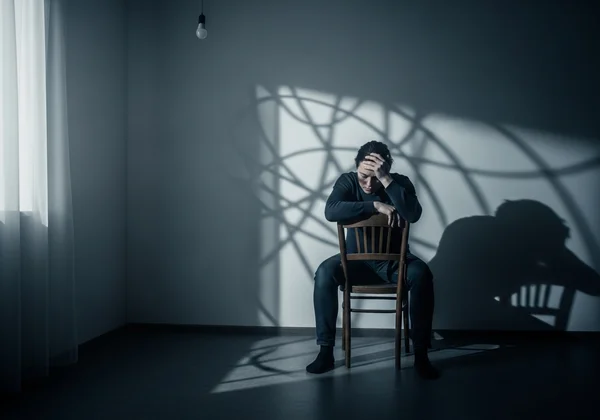
Recognizing the Signs of a Psychopathic Partner
Identifying traits associated with psychopathy is not about labeling but about recognizing patterns of behavior that are harmful to you. These individuals often present a charming and successful exterior, which makes their damaging behavior even more difficult for others—and sometimes even for you—to see. Awareness is your first line of defense.
Understanding Manipulative Tactics: Gaslighting, Love Bombing, and Deception
Manipulation is a key feature in a psychopathic relationship. It is often subtle and designed to make you doubt your own perceptions and sanity. Gaslighting is a primary tool, where your partner will deny events that happened, twist your words, and insist you are "crazy" or "too sensitive," causing you to lose trust in yourself.
Another powerful tactic is love bombing. At the beginning of the relationship, they may have showered you with intense affection, admiration, and gifts, making you feel like you've met your soulmate. This phase creates a powerful bond that they later exploit. Once you are hooked, the idealization turns to devaluation, leaving you desperate to regain that initial affection. This cycle is often supported by pathological lying and constant deception about matters both big and small. To better understand these traits, exploring a structured assessment can provide objective insights.

Lack of Empathy, Grandiosity, and Superficial Charm: Core Indicators
A profound lack of empathy is a hallmark trait. Your partner may be unable to understand or share your feelings, often responding to your distress with indifference, impatience, or blame. They may intellectually grasp what they should say but lack any genuine emotional connection to your experience. This emotional void is often masked by a superficial charm. They can be witty, engaging, and the life of the party, using this charisma to win people over and manipulate situations to their advantage.
This is coupled with a sense of grandiosity—an inflated sense of self-worth and entitlement. They believe they are superior to others, deserve special treatment, and often fantasize about unlimited success and power. They rarely show remorse for hurting others because, in their view, their own needs and desires are all that matter.
Prioritizing Your Safety and Well-being When Living with a Psychopath
If you recognize these patterns, your priority must shift to your own safety and mental health. Living in a constant state of alert and emotional turmoil takes a severe toll. It is vital to take proactive steps to protect yourself.
Setting Boundaries: Reclaiming Your Personal Space and Power
Individuals with psychopathic traits excel at violating boundaries. Setting boundaries is not about changing them; it is about protecting yourself. Start small by saying "no" to minor requests and hold firm. Clearly define what behaviors you will and will not accept, and communicate the consequences if those boundaries are crossed. For example, state calmly, "If you continue to belittle me, I will end this conversation and leave the room." Then, follow through every single time. Reclaiming your personal power begins with enforcing these limits.

Building a Support System: The Importance of Trusted Friends and Professionals
Isolation is a manipulator's best friend. Your partner may have subtly or overtly tried to cut you off from friends and family. It is crucial to reconnect with a support system of trusted individuals who validate your feelings and experiences. Share what you are going through with someone you trust completely—a close friend, a family member, or a therapist. Speaking with a mental health professional who has experience with personality disorders can provide you with coping strategies and an objective perspective that is essential for your well-being.
Documentation and Exit Planning: Essential Steps for Long-Term Safety
For your long-term safety, meticulous documentation and exit planning are non-negotiable. Keep a private journal detailing specific incidents, including dates, times, and what was said or done. Save abusive text messages, emails, or voicemails. This record is not just for your own sanity—to remind you that you aren't imagining things—but can also be crucial if legal action becomes necessary. If you decide to leave, create a safe exit plan. Identify a safe place to go, pack an emergency bag, secure important documents, and inform a trusted person about your plans.
Practical Strategies for Dealing with a Psychopathic Partner
Managing daily interactions requires a strategic, self-protective mindset. These methods are designed to minimize the emotional impact on you and reduce the manipulative power your partner holds.
The "Gray Rock" Method: Minimizing Emotional Reaction and Engagement
The "Gray Rock" Method is a powerful technique for disengaging. Individuals high in psychopathic traits thrive on drama and emotional reactions—whether positive or negative. By making yourself as boring and unresponsive as a gray rock, you remove their source of stimulation. Respond to provocative questions with brief, factual, and unemotional answers. Avoid sharing personal information or engaging in arguments. This lack of emotional feedback makes you an uninteresting target, often causing them to lose interest and seek stimulation elsewhere.

Focus on Actions, Not Words: Discerning Reality from Deception
Pathological lying is a common trait. Their words are tools for manipulation, not expressions of truth. To protect yourself, you must learn to focus on actions, not words. Ignore their promises, apologies, and future-faking. Instead, observe their behavior. Do their actions align with what they say? Consistently, you will find they do not. Trusting patterns of behavior over compelling rhetoric is essential to grounding yourself in reality and avoiding further manipulation. For those looking to gain deeper insights into such behavioral patterns, a confidential online tool can be a helpful resource.
Protecting Your Financial and Legal Interests
Exploitation is a significant risk in these relationships. It is critical to take steps toward protecting your financial and legal interests. Maintain separate bank accounts and be vigilant about your credit. Do not enter into joint financial agreements or business ventures without seeking independent legal advice. Understand your legal rights regarding shared property and assets. Taking these proactive steps can prevent devastating financial and legal entanglement down the road.
Empowering Yourself: Taking Control in a Challenging Relationship
Recognizing that you might be in a relationship with a partner exhibiting psychopathic traits is a painful but empowering realization. It is the first step toward breaking the cycle of confusion and emotional distress. By learning to identify manipulative tactics, setting firm boundaries, and building a strong support system, you can reclaim your life. Your safety, sanity, and well-being are paramount.
Understanding the complexities of personality is a journey. If you wish to explore these traits further in a structured, confidential way, consider using an online psychopathy test. Our science-inspired test provides a preliminary screening, and our optional AI-powered reports offer personalized insights into personality patterns, strengths, and challenges. Take our free Psychopathy Test today to begin your path to clarity and empowerment.
Understanding Psychopathic Relationships & Psychopathy Tests
How do I know if my partner has psychopathic traits?
You can't diagnose your partner, but you can recognize patterns. Look for a consistent combination of traits, not just isolated incidents. Key indicators include a lack of empathy, superficial charm, a grandiose sense of self, pathological lying, and manipulative behavior. If your relationship leaves you feeling constantly drained, confused, and questioning yourself, it's a sign that the dynamic is unhealthy. While you cannot diagnose them, an online psychopathy test can help you understand the spectrum of traits for self-reflection. A tool like our psychopathy spectrum test can offer a framework for understanding these behaviors.
Can a person with psychopathic traits ever truly change in a relationship?
Profound personality traits are highly resistant to change. While some individuals may learn to manage their behavior better through intensive therapy, the underlying lack of empathy and tendency for manipulation often remain. Hope for change can keep you trapped in a damaging cycle. It is more realistic and safer to focus on changing your own behaviors and expectations rather than trying to change your partner.
What is the main difference between a psychopathic partner and an abusive one?
There is significant overlap, but the core motivation often differs. While all psychopathic relationships are inherently abusive, not all abusive partners have psychopathic traits. The key distinction often lies in the cold, calculated, and goal-oriented nature of the manipulation. A psychopathic partner's abuse is frequently unemotional and instrumental—a means to an end, such as control, money, or stimulation—whereas other forms of abuse may be driven by emotional dysregulation, insecurity, or anger.
When should I seek professional help or consider leaving the relationship?
You should seek professional help as soon as you feel unsafe, confused, or emotionally distressed. A therapist can provide a safe space to process your experiences and develop coping strategies. Consider leaving the relationship if your physical or emotional safety is compromised, if you are being financially exploited, or if the relationship is causing significant harm to your mental health and overall well-being. Your safety is always the top priority.