Psychopathy Test Online: Uses, Ethics, and AI-Driven Insights
Ever wondered about the deeper workings of human personality, especially those traits often misunderstood? In an era of endless online quizzes, exploring complex concepts like psychopathy is now more accessible than ever. But how do we ensure this journey of self-discovery is responsible and truly insightful?
The surge in these tools offers a unique opportunity for education and self-reflection, but it also demands a careful, informed approach. This guide will navigate the landscape of online psychopathy screening, exploring its legitimate uses, vital ethical considerations, and inherent limitations. By understanding these factors, you can engage with these tools responsibly and transform curiosity into genuine insight. For those ready to begin a journey of structured self-awareness, you can take our free psychopathy test to see how these principles are applied.
Understanding Psychopathy Screening Tools in Context
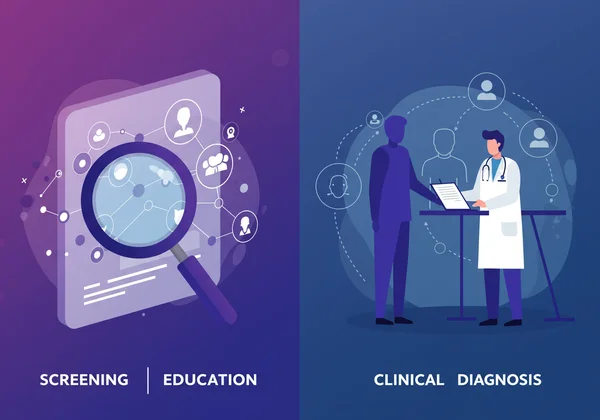
Before diving into an assessment, it's crucial to understand what these online tools are—and what they are not. The distinction between a screening tool and a clinical diagnosis is the bedrock of responsible use. These platforms are designed to be educational first and foremost, providing a preliminary look at certain personality traits.
What Defines a Non-Clinical Psychopathy Screener?
A non-clinical assessment like an online psychopathy test is an educational instrument, not a diagnostic one. It is designed to identify traits and behavioral patterns that may align with the psychopathy spectrum, based on established psychological models. However, it cannot and should not provide a formal diagnosis.
A clinical diagnosis of a personality disorder is a complex process conducted by a qualified mental health professional. It involves structured interviews, collateral information from others, a review of personal history, and often, professionally administered psychometric instruments like the Hare Psychopathy Checklist-Revised (PCL-R). An online screener is a starting point—a mirror for self-reflection that can raise awareness and provide a vocabulary for your experiences. It offers insights into tendencies like impulsivity, empathy levels, and interpersonal style, but it does not carry the weight or certainty of a clinical evaluation.
The Value Proposition: Why Use an Online Psychopathy Test?
So, if these tests don't diagnose, what is their value? Their primary purpose lies in fostering self-awareness and education. For individuals wondering about their own emotional responses or interpersonal patterns, a well-designed test offers a private, accessible, and non-judgmental way to explore those questions. It can help you identify potential strengths and challenges you may not have previously considered.
For psychology students and enthusiasts, these tools serve as practical learning aids. They provide a hands-on way to understand how abstract concepts of psychopathy are operationalized into measurable questions. By engaging with a scientifically inspired assessment, you can see theoretical knowledge in action. The value is not in the final score but in the process of introspection and learning that the test facilitates.
Evaluating Online Psychopathy Test Accuracy and Validity
Not all online tests are created equal. The internet is filled with quizzes designed more for entertainment than for genuine insight. A responsible and useful online psychopathy test is grounded in established psychological principles and transparent about its limitations, ensuring its accuracy is understood within the correct context.
Factors Influencing a Test's Reliability and Validity
The quality of a screening tool hinges on its psychometric quality. A reliable test produces consistent results over time, while a valid test measures what it claims to measure. For a psychopathy screener, this means the questions should be derived from recognized theoretical frameworks, such as the conceptual basis of the PCL-R, which focuses on affective (e.g., lack of empathy), interpersonal (e.g., manipulativeness), lifestyle (e.g., impulsivity), and antisocial facets. A high-quality screener will use carefully worded, unambiguous questions to minimize confusion and provide a clearer picture of personality traits.
The Limitations of Self-Report and Non-Diagnostic Tools
It is essential to acknowledge the inherent self-report limitations of any online questionnaire. Our self-perception can be biased; we may lack insight into our own behaviors or answer questions in a socially desirable way. Furthermore, psychopathy is a complex construct, and an online test cannot capture the nuances of an individual's life history, context, and motivations—all of which are vital for a true clinical assessment. These tools provide a snapshot, not the complete picture. They indicate potential traits, but they do not confirm a disorder.
How AI-Powered Reports Enhance Educational Insight (Not Diagnosis)
This is where modern technology can offer a significant advantage. While a simple score can be reductive, an AI-powered analysis can provide a far more nuanced and personalized interpretation of your results. At our platform, the optional AI report moves beyond a number to create a narrative. It synthesizes your responses to highlight potential patterns, explore how certain traits might manifest in your daily life, and identify both potential strengths and areas for growth. This is not diagnosis; it is enhanced educational insight. By leveraging AI, you can get deeper insights that transform a simple score into a rich, personalized guide for self-understanding.

Ethical Considerations in Online Psychological Testing
The power of psychological assessment comes with significant responsibility. Reputable platforms are built on a foundation of ethical considerations, prioritizing user well-being, privacy, and informed consent above all else. When you choose an online tool, you should be confident that it operates within a strong ethical framework.
Upholding Privacy and Data Security in Online Assessments
Your privacy is paramount. A trustworthy psychological screening tool will never require you to sacrifice your anonymity. Look for platforms that allow you to take the test without registration and have a clear, easily accessible privacy policy. Data security ensures that your responses are handled confidentially, allowing you to answer honestly without fear of exposure. This commitment to privacy is a non-negotiable standard for any platform dealing with sensitive personal information.
The Importance of Transparent Disclaimers and Responsible Language
Ethical platforms are upfront about their purpose. They use transparent disclaimers to state clearly that their tool is for educational and informational purposes only and is not a substitute for professional medical advice or diagnosis. The language used should be responsible and non-sensational. It should avoid stigmatizing labels and instead focus on describing traits and behaviors objectively and empathetically. This responsible communication helps prevent misinterpretation and ensures users approach their results with the right mindset.
Guiding Users to Professional Support When Needed
Finally, a truly ethical platform recognizes its own limits. If your results from a screener cause you distress or raise significant concerns, the right next step is to seek professional guidance. An ethical tool will always encourage users to consult with a qualified mental health professional, such as a psychologist or psychiatrist, for a comprehensive evaluation. This guidance is a crucial part of a user-centric approach, ensuring that your journey of self-discovery is safe and supportive. If you have questions, it is always best to explore your traits as a first step and then discuss the findings with a professional.
Responsible Self-Exploration: Navigating the Path to Understanding
Online psychopathy tests can be powerful tools for self-reflection and learning when used correctly. By understanding that they are educational screeners, not diagnostic instruments, you can harness their potential for insight without falling into the trap of self-labeling. Look for platforms that are transparent about their scientific basis, honest about their limitations, and committed to ethical principles like privacy and responsible communication.
Ultimately, our aim isn't to give you a definitive label, but to offer a powerful catalyst for deeper self-awareness. It's about empowering you with knowledge, helping you ask more precise questions, and truly understand the unique patterns of your own personality.
Ready to embark on a path of responsible self-exploration? Start your test today to gain valuable, science-inspired insights into your personality profile.
Frequently Asked Questions About Psychopathy Screening Tools
Can you truly test for psychopathy online?
You cannot receive a clinical diagnosis for psychopathy online. However, you can use a high-quality online screening tool, like our psychopathy test, to assess traits associated with the psychopathy spectrum. These tests are designed for educational and informational purposes to promote self-awareness.
Are online psychopathy tests accurate?
The accuracy of an online test depends on its design and your honesty in answering. Tests based on established psychological models offer a more valid measure of specific traits. However, as self-report tools, their results should be considered a preliminary insight rather than a definitive truth. They are a starting point for reflection, not a final conclusion.
What are the main limitations of self-report psychopathy screens?
The primary limitations include potential for response bias (answering in a socially desirable way), lack of personal insight, and the inability to capture the full context of an individual's life and history. They cannot replace a comprehensive clinical evaluation performed by a mental health professional.
Who should consider taking a psychopathy screening test?
Anyone interested in self-exploration, including individuals curious about their own personality traits, psychology students seeking to understand assessment tools, or people wanting to learn more about the psychological construct of psychopathy in a structured way can benefit from taking a screening test.
What should I do if my results suggest high psychopathic traits?
First, remember that a screening result is not a diagnosis. It is an indication of certain traits. If your results cause you concern or distress, the most responsible step is to consult with a qualified mental health professional. They can provide a comprehensive assessment and guide you on appropriate next steps.