What Is a Person With No Empathy Called?
A person with no empathy is called many things in everyday language: unempathic, unempathetic, apathetic, callous, cold, emotionally detached, or uncaring. In personality discussions, low empathy can also appear in conversations about narcissistic traits, psychopathy-related traits, antisocial personality patterns, trauma responses, burnout, or certain neurological differences. The safest answer is not one label, but context. Low empathy can mean someone does not understand another person's feelings, does not emotionally resonate with them, or does not act with concern. If you are exploring your own patterns, adult self-reflection tools for psychopathy-related traits can be a starting point.
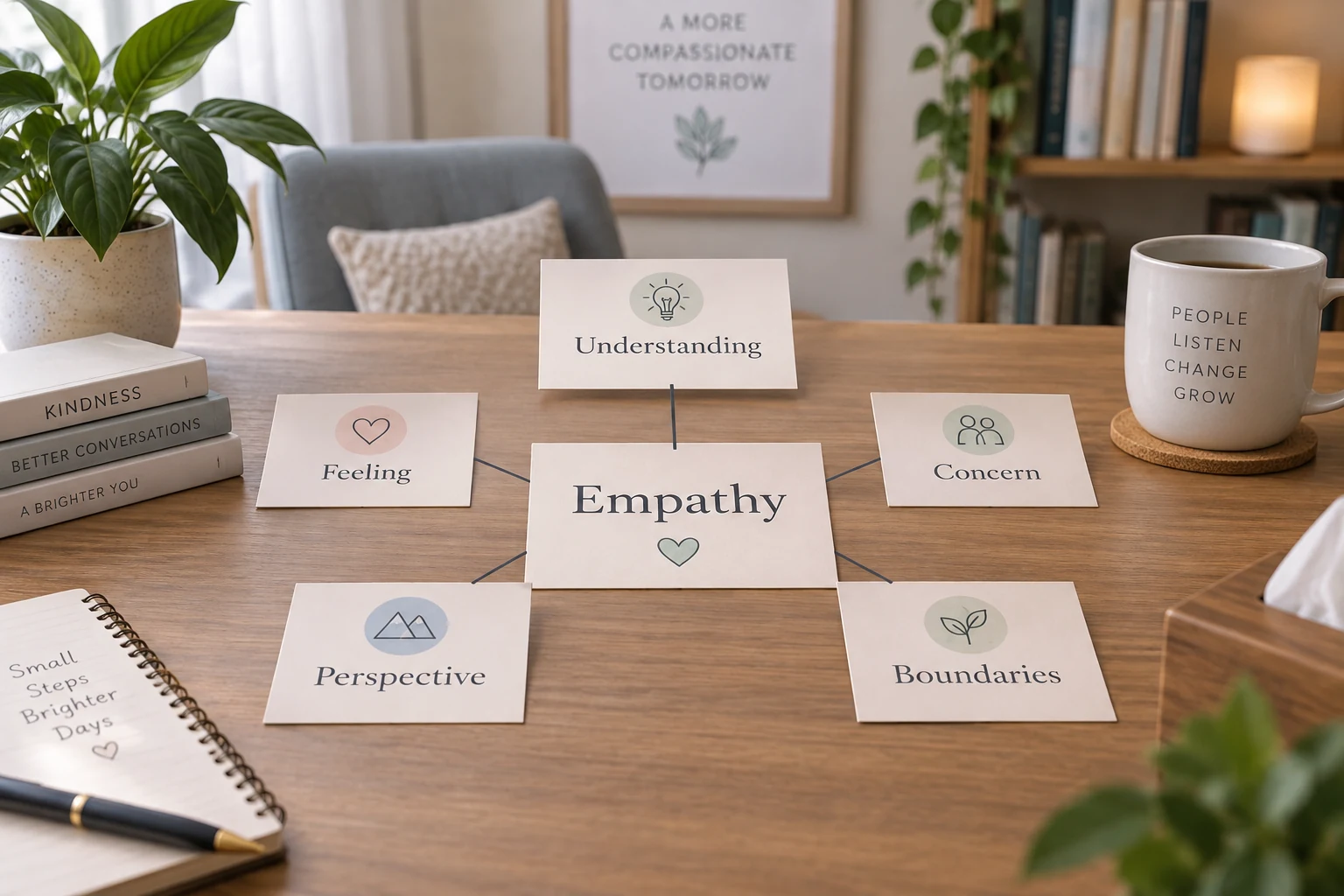
The Short Answer: Several Words May Fit
If you need a plain word for someone who lacks empathy, "unempathetic" or "unempathic" is usually the most neutral choice. It says the person is not showing much empathy without turning that observation into a personality label. "Apathetic" suggests indifference or lack of interest. "Callous" suggests a harder pattern: disregard for another person's pain. "Cold" and "emotionally detached" are more conversational, but they can be vague because some people look calm while still caring deeply.
The phrase "a person who has no feelings for others" is also imprecise. Some people have feelings but struggle to notice, name, or express them. Others understand feelings intellectually but do not feel moved by them. Mixing those patterns together can make a difficult relationship harder to understand.
For SEO searches like "person with no empathy is called in a relationship," the answer often depends on what is happening. A partner who dismisses your pain during conflict may be emotionally unavailable, defensive, overwhelmed, self-protective, or low in empathy in that moment. A partner who repeatedly exploits, humiliates, or ignores boundaries may require a stronger boundary-focused response. The word matters less than the pattern, the impact, and your safety.
Empathy vs Sympathy: Why the Difference Matters
Empathy and sympathy overlap, but they are not identical. Empathy is the ability to understand or share another person's emotional experience. Sympathy is feeling concern or sorrow for someone from a more outside position. Compassion adds another layer: the wish to respond helpfully.
There are also different forms of empathy. Cognitive empathy means understanding what someone else might be thinking or feeling. Affective empathy means emotionally resonating with that feeling. Compassionate empathy means noticing distress and wanting to respond with care. Someone can be strong in one form and weak in another. For example, a person may read emotions accurately yet use that understanding to argue, manipulate, or win. Another person may care emotionally but freeze, withdraw, or say the wrong thing under stress.
That distinction is important because "no empathy" is often used as a single dramatic phrase when the reality is more specific. You might be seeing low emotional attunement, poor listening, low remorse, limited perspective-taking, fear of vulnerability, emotional numbness, or a habit of dismissing other people's needs. Those patterns call for different responses.

Lack of Empathy Signs You May Notice
Common lack of empathy signs are usually patterns, not one-off mistakes. Everyone can be self-focused when tired, scared, angry, or under pressure. A more meaningful concern appears when low empathy is repeated across situations and the person resists feedback.
Signs may include dismissing another person's feelings as "too sensitive," changing the topic when someone is hurt, mocking vulnerability, refusing to consider impact, treating apologies as unnecessary, or becoming irritated when asked for emotional support. In relationships, signs your partner lacks empathy may include listening only long enough to defend themselves, minimizing your experience, using private fears against you, expecting comfort but rarely giving it, or showing concern in public but indifference in private.
Low empathy can also look quieter. Someone may seem blank when others are distressed, give practical advice when emotional presence is needed, or become flooded and shut down. These softer signs do not automatically mean cruelty. They may point to stress, poor emotional learning, trauma history, depression, burnout, or simply low relationship skill.
The key question is impact plus repair. Does the person care when they learn they hurt someone? Do they make space for feedback? Can they change behavior over time? Empathy is partly a capacity, but it is also practiced through attention, humility, and accountability.
What Can Cause Someone to Lack Empathy?
There is no single cause of low empathy. Some people grow up in homes where emotions were ignored, punished, mocked, or used as leverage. They may learn to protect themselves by staying distant. Others may have trouble identifying their own emotions, which makes it harder to recognize emotions in others. Stress and burnout can also narrow attention until a person has little room for anyone else's needs.
Personality traits can matter too. Narcissistic traits may involve entitlement, sensitivity to criticism, and difficulty recognizing other people's needs when self-esteem feels threatened. Psychopathy-related traits may involve emotional detachment, low fear response, impulsivity, shallow affect, and reduced remorse. Antisocial personality patterns are more strongly tied to repeated disregard for others' rights and social rules. These concepts overlap in public discussion, but they are not interchangeable.
It is also wise to avoid oversimplifying autism, ADHD, depression, grief, trauma, or anxiety as "no empathy." Social communication, attention, emotional expression, and empathic concern can separate in complex ways. A person may miss cues and still care. Another may show polished social awareness and still disregard impact. Labels can hide the practical question: what pattern is present, and what response protects wellbeing?

Is Lack of Empathy a Mental Illness?
Lack of empathy by itself is not enough to define a mental illness. It can be a trait, a temporary state, a learned defense, a communication gap, a relationship skill issue, or one sign within a broader clinical picture. The bigger picture includes duration, severity, distress, impairment, remorse, impulse control, interpersonal harm, and whether the pattern appears across many parts of life.
This is where careful language matters. Calling someone a psychopath, sociopath, or narcissist may feel satisfying when you are hurt, but those words can carry strong clinical and cultural weight. "Psychopath" is often used for a cluster of traits that may include low empathy, low remorse, emotional shallowness, manipulativeness, and impulsivity. It is not the same as simply being rude, emotionally clumsy, or bad at comforting people.
If you are worried about your own low empathy, try to describe the exact pattern before judging yourself. Do you understand what others feel but not feel much yourself? Do you feel empathy for strangers but shut down with a partner? Do you regret harm after the fact, or not really? Do you want to respond differently? These questions can guide self-reflection and, when needed, a conversation with a qualified mental health professional.
In a Relationship: What to Notice Before You Label
In a relationship, "someone who has no sympathy or empathy" may describe a painful lived experience, but it should lead to observation rather than instant certainty. Notice when the low-empathy behavior appears. Is it only during conflict? Around certain topics? After alcohol or stress? When the person feels criticized? Or is it present even when you are clearly distressed and asking calmly for support?
Next, notice whether repair happens. A person with limited emotional skill may initially respond poorly but later reflect, apologize, and change. A person with a more concerning pattern may deny harm, mock your reaction, blame you for having needs, or use your request for empathy as evidence that you are weak or unreasonable.
You do not need to prove a label to set a boundary. "When I share something painful, I need you not to mock it" is clearer than "you have no empathy." "I will pause the conversation if insults start" is more useful than debating whether someone is a narcissist. Labels may explain; boundaries protect.
How to Deal With Someone Who Lacks Empathy
Start by matching your response to the seriousness of the pattern. For mild low empathy, be concrete. Instead of "be more empathetic," try "please reflect back what you heard before responding" or "I am not asking for advice yet; I need you to understand why this hurt." Specific requests make it easier to see whether the person is willing and able to adjust.
For repeated low empathy, use boundaries and consequences. Keep the boundary about your action, not their personality. You might say, "I will continue this conversation when we can speak without insults," or "I am not available for jokes about something I told you in confidence." Then follow through calmly.
If the relationship includes intimidation, coercion, threats, stalking, financial control, or physical harm, prioritize support and safety planning. Low empathy in that context is not just a communication issue. Reach out to trusted people or professional resources in your area. If you feel at immediate risk, contact local emergency services.
For your own self-reflection, an educational psychopathy trait self-assessment may help you think about emotional detachment, remorse, impulsivity, and interpersonal style in a structured way. Use any result as a conversation starter with yourself or a professional, not as a final identity label.

A Careful Next Step for Understanding Empathy and Traits
The most useful answer to "person with no empathy is called" is often: describe the behavior first, choose the label second. "Unempathetic" may be enough for everyday conversation. "Callous" may fit when there is repeated disregard for harm. "Emotionally detached" may fit when someone seems disconnected rather than cruel. Terms like narcissist, sociopath, or psychopath should be used carefully because they imply broader patterns than low empathy alone.
If you are looking at your own empathy, focus on growth-oriented questions: When do I shut down? Whose feelings do I dismiss? What kind of feedback makes me defensive? What repair skills can I practice this week? If you are looking at someone else's behavior, focus on patterns, boundaries, and support rather than proving a label.
For adults who want a private way to reflect on emotional detachment and psychopathy-related traits, private personality-trait reflection can be one low-pressure option. It cannot replace professional care, but it can help organize questions you may want to explore further.
FAQ
What is the best word for someone with no empathy?
"Unempathetic" or "unempathic" is usually the most neutral word. "Callous" suggests a colder disregard for harm, while "apathetic" suggests indifference. Stronger labels such as psychopath, sociopath, or narcissist should not be based on low empathy alone.
What is a person with no empathy called in a relationship?
In a relationship, the person may be described as emotionally unavailable, dismissive, unempathetic, self-centered, or emotionally detached. The best term depends on the pattern. Repeated disregard, manipulation, or cruelty is more serious than occasional poor listening.
Can you give examples of narcissist lack of empathy?
Examples may include ignoring a partner's distress, turning a hurtful event into a story about themselves, apologizing only to protect their image, using vulnerability as leverage, or becoming angry when asked to consider another person's needs. These examples are not proof of a condition by themselves.
What causes a person to lack empathy?
Possible contributors include stress, burnout, poor emotional learning, trauma history, difficulty identifying emotions, personality traits, neurological differences, substance use, or broader mental health concerns. The cause can differ widely from person to person.
Is lack of empathy a mental illness?
No. Lack of empathy alone is not a mental illness. It may be one trait or sign within a larger pattern, but context, severity, duration, harm, remorse, and functioning all matter.
How do you deal with someone who lacks empathy?
Use specific requests, name the impact, set boundaries, and watch whether repair happens. If the behavior includes threats, coercion, intimidation, or physical harm, prioritize safety and outside support.
Can someone learn empathy?
Many people can improve empathy-related skills such as listening, perspective-taking, emotional naming, repair, and compassionate action. Change is more likely when the person accepts feedback and practices consistently.